A Strava flagged activity is one that other athletes, or the platform itself, have marked as not belonging on segment leaderboards. The ride stays in your account, keeps its distance and time, and still counts toward your totals and your training history. The only thing it loses is its place in the competitive rankings.
The rules behind a Strava flagged activity are narrow and mechanical, which is where most of the confusion comes from. Nothing in the process is an opinion about the athlete, their honesty or their ability, and nothing in it examines anything at all beyond the single file that was uploaded.
That distinction is the source of most of the argument that follows. Being flagged is not a deletion, a ban, a warning or a public accusation of any kind. It is a statement about one thing only: whether this particular effort should be compared against other people on the same stretch of road.
Why a ride gets flagged in the first place
The most common reason by far is entirely unintentional. A rider forgets to stop recording, drives home, and the file now contains a long stretch at eighty kilometres per hour. Every segment along that road registers an absurd time, and the leaderboard fills with a result nobody ever intended to claim.
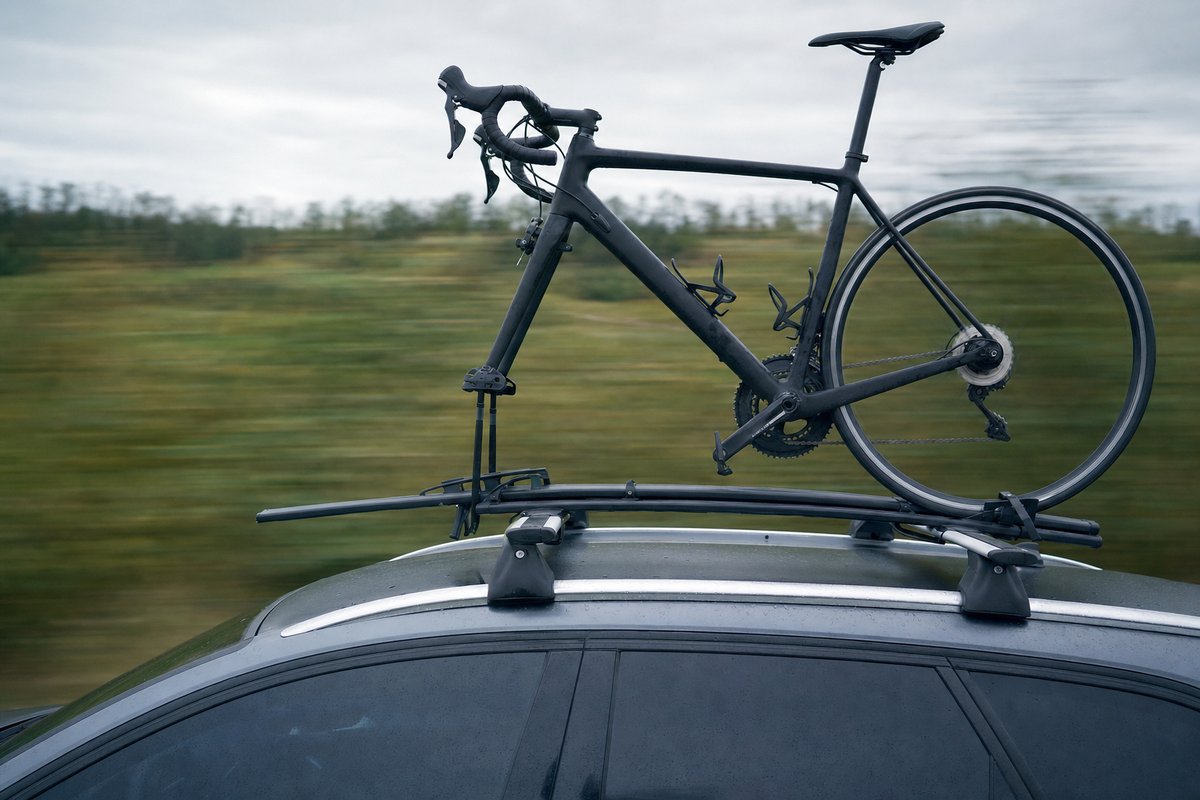
Deliberate manipulation exists but is rarer than forum threads suggest. Far more flags come from a device left running in a car or on a train, a bike carried on a roof rack, or an activity recorded with the wrong sport type so that an e-bike ride is classified as an ordinary one.
Who is allowed to raise a flag
Any athlete who can see the activity is able to flag it, which is the mechanism most people actually encounter. Automated detection runs alongside it, looking for speeds and movement patterns inconsistent with the declared activity type. The two work independently, and either can flag a ride without the other agreeing.
The rules that decide the outcome
Three rules between them settle almost every case that arises. Was the recorded movement powered by the athlete alone? Was the activity type declared correctly at upload? Did the file describe one single continuous effort, not several stitched together afterwards? A ride answering all three cleanly belongs on the segment leaderboards.
Motor assistance is the clearest of the rules and the least ambiguous to apply. An e-bike ride is entirely legitimate, it simply belongs in its own category. The flag exists because comparing an assisted effort against unassisted ones makes the ranking meaningless for everybody on it, not because assistance is disapproved of.
| Affected | Not affected |
|---|---|
| Position on every segment leaderboard | The activity in your own feed and history |
| Any KOM, QOM or course record claimed | Distance, time and elevation totals |
| Challenge and competition eligibility | Followers' ability to see the ride |
| Segment achievement notifications | Your training log and fitness figures |
How to appeal a Strava flagged activity
Appealing a Strava flagged activity starts with opening the file and looking at it rather than at the flag. The quickest resolution is usually to find the offending section yourself, crop it, and re-upload. If the drive home is the problem, removing the drive home removes the dispute entirely and takes about a minute.
Where the flag is genuinely wrong, the appeal route is through support, not through the person who raised it. Arguing in the comments changes nothing, because the flag is a data state, not an opinion. Evidence that the recording is sound is what moves it, and that means the file.
This is where an audit of the activity is worth running before anything else is attempted. If the ride contains position jumps or elevation spikes, the flag may be a reasonable response to a genuinely broken recording, and the fix is to understand the fault and not to contest the outcome.
When the flag is right and the rider did nothing wrong
Both things are frequently true at once. A receiver that loses lock in a deep valley and recovers two hundred metres further up the road produces a segment time no human could ride. The rider behaved perfectly, the device did not, and the leaderboard is still better off without the entry.
Treating every flag as an accusation makes this outcome very hard to accept, which is exactly why the framing matters so much. The question a flag answers is narrow and technical. A recording that cannot be trusted should not rank at all, whatever the intentions of the person who made it.
Flagged activity questions
Does a Strava flagged activity affect my training records?
No. Distance, elevation, time and any fitness figures derived from them are untouched. The flag operates only on competitive placement, which means segment leaderboards, achievements and challenge eligibility. Your history and your totals continue exactly as before. Nothing appears on your profile to mark it, and nothing about it is permanent once the underlying file is corrected.
Can I see who flagged my ride?
No, and that is deliberate. Making the flagger visible would turn a technical mechanism into a personal dispute between two athletes, which helps nobody. The practical consequence is that arguing about the flag is pointless; correcting the file is the only route that changes anything. Treat it as a data state to resolve, not a person to answer.
Will cropping the drive home un-flag the activity?
Usually, though the cleanest path is to delete and re-upload the corrected file rather than edit in place. Once the impossible section no longer exists, the reason for the flag no longer exists either, and the genuine part of the ride ranks normally again. Keep the original file first, in case you want to check what was cropped.
What happens to a KOM that was taken on a flagged ride?
It is removed and the position passes to the next legitimate time. This happens automatically once the flag applies, without anyone needing to claim it. If the flag is later reversed, the original result returns to its place on the leaderboard. Nobody is notified when either of those transitions happens, so the change is easy to miss entirely.
Are e-bike rides flagged automatically?
Only when they are recorded as ordinary rides. Declared correctly, an e-bike activity has its own leaderboards and nothing is flagged. The flag responds to the mismatch between what the file describes and what the activity type claims, not to the assistance itself. Changing the type on an existing activity resolves it without any need to re-upload the file.
Related: how KOMs are verified, GPS accuracy and why traces drift, and the GPX audit for inspecting a file before appealing.